This is my current flagship camera. And it is really great! It is a full frame camera with a 42 megapixel sensor…
Professional reviews

Photography by Peppy Doggett
This is my current flagship camera. And it is really great! It is a full frame camera with a 42 megapixel sensor…
Professional reviews
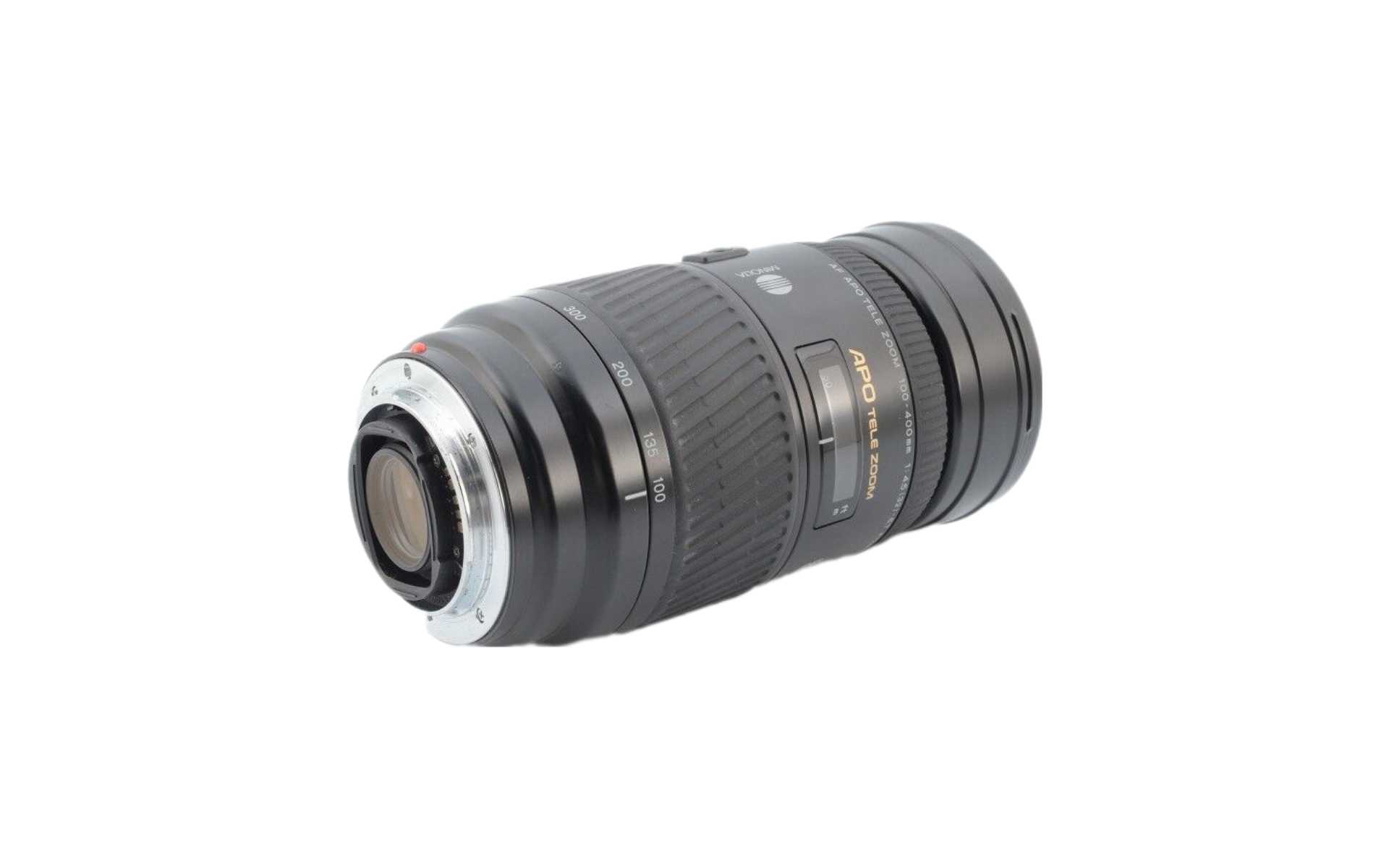
Large and heavy, this lens has a tendency toward chromatic aberration. Still, I have gotten some great wildlife and butterfly shots. I took it to the Frejus zoo and got a few keepers. The lens also gave me some good bird, butterfly and damselfly photos.
Dxyum ratings: overall 4.42; sharpness 4.45
Here are some professional reviews:
…and here are some of my sample photos using this lens. Click on an image for details.



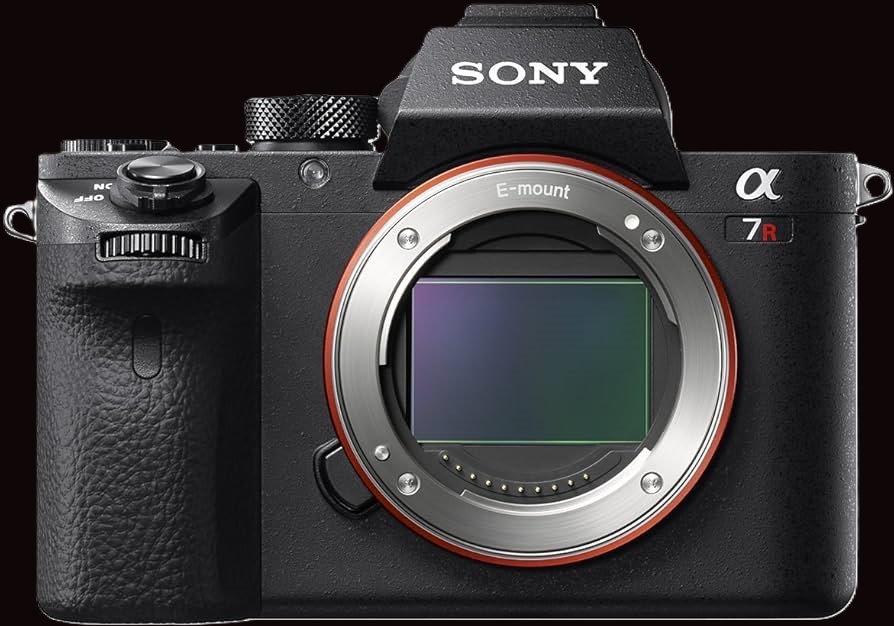
This was my first mirrorless camera. I was quite thrilled to try my hand with this new cutting edge technology. And it has served me very well. Thew menu is a bit tedious, typical of all of my Sony cameras. The mechanics are fine for the most part. The shutter tends to jam when I am in automatic mode (rarely anymore) after several years of use. A nagging thing is that the EV dial moves too easily, such as when removing the camera from a bag or groping for the aperture or shutter speed dials in semi darkness.
Sony blurb:
Higher resolution, sensitivity, and readout speed. As the world’s first 35mm full-frame image sensor with back-illuminated structure, this 42.4-megapixel CMOS sensor enhances light collection efficiency, expands circuitry scale, and, with the help of a quick-transmission copper wiring layer, outputs data about 3.5 times faster, while minimizing image noise to reveal fine details in every picture.
Professional reviews
Sony Alpha SLT-A33
This was my first of two single lens translucent SLT cameras. The second is my Sony SLT A77V camera. (I still have and use the A77V; I no longer have the A33). I was thrilled to explore my photography with this cutting edge technology that was precursor to mirror less camera tech.
From DP Review:
The Sony Alpha SLT-A33 and A55, are the first cameras to incorporate Sony’s translucent mirror design. The Single Lens Translucent (SLT) cameras offer live view with full-time fast phase- detection AF whether in stills or movie shooting. This is achieved by having a fixed, semi-transparent mirror that redirects a small amount of light onto the AF sensor while allowing the rest through onto the main imaging sensor. The A55 is built around a 16.2MP sensor while the A33 features a 14.2MP unit. Both feature 3.0″ articulated LCDs, full HD video recording and ISO sensitivity up to 12,800, while the A55 also features built-in GPS. As well as being highly innovative, both cameras are fast, responsive and capable of excellent image quality.
Other professional reviews
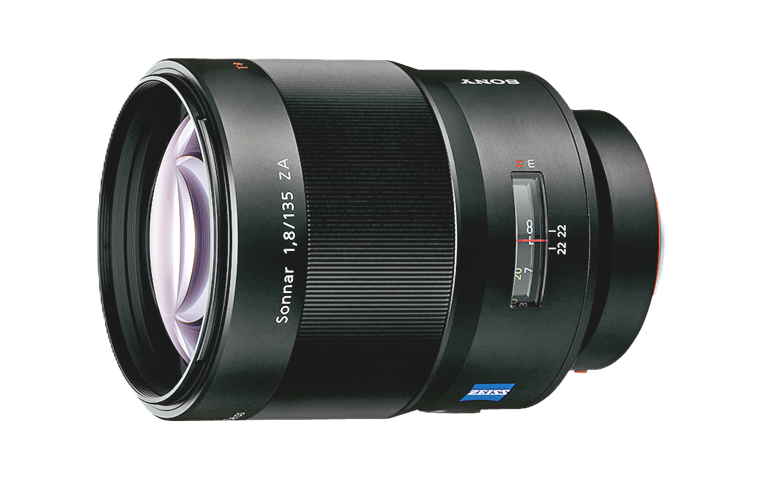
This is a great lens but it’s a bit of a clunker. It is large and heavy. However it is one of the best ever made for Sony a-mount cameras. I use it on my Sony SLT A77V camera, as well as my Sony A7R cameras with an adaptor.
More forthcoming
Reviews
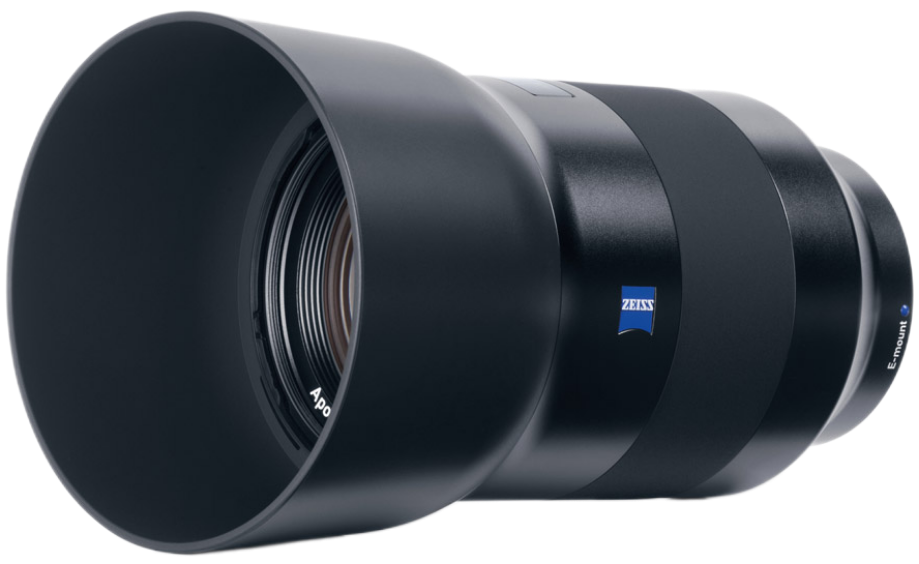
This is my American Express card (I don’t leave home without it!). It is almost always on one of my A7R cameras and/or in my camera bag. And for good reason. It handles well and gives very sharp photos with nice smooth bokeh.
Professional reviews:
Sample images:








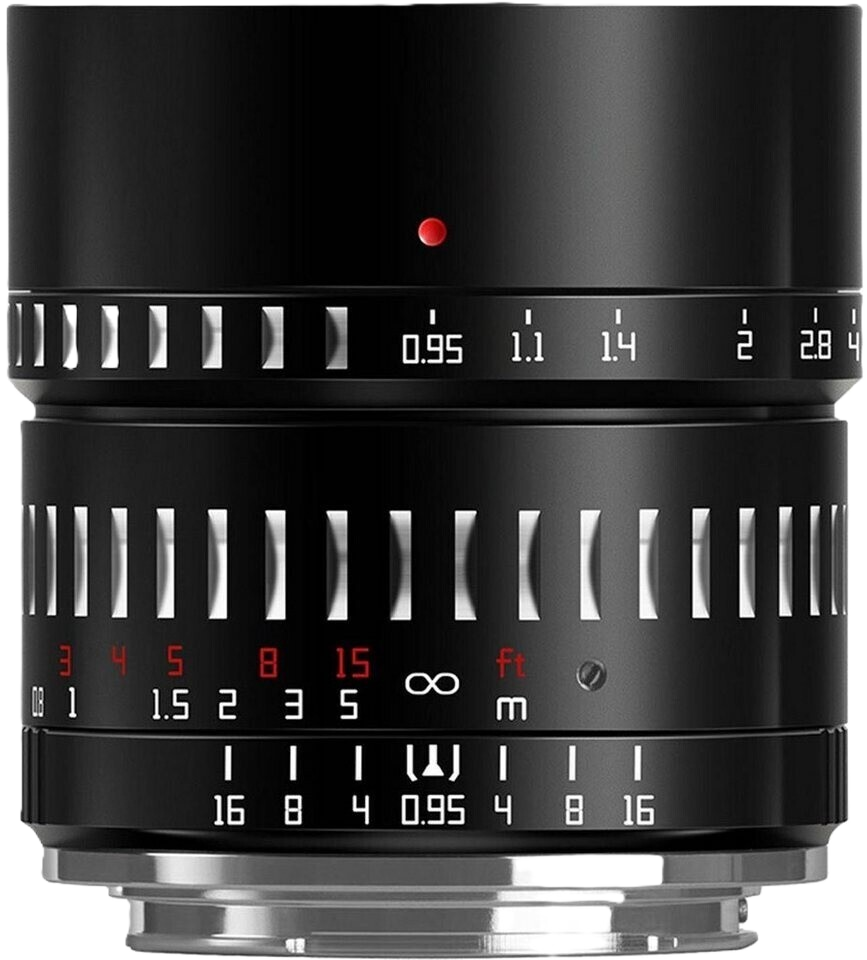
TT Artisans 50mm f0.95
Details forthcoming
Helios 44-2 58mm f2
Having heard a lot about this popular collectors item I decided to get one for myself. It is an old (1976) Russian made lens with a great reputation. I found a good copy at a good price on ebay.
Professional reviews:







Tair 11A 135mm f2.8
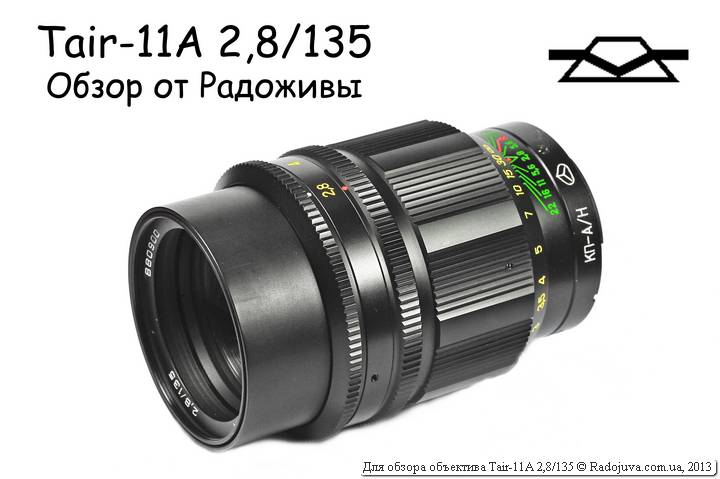
I read about this unique lens with some remarkable characteristics: made in the former USSR; known as a “bokeh monster”; small for a 135mm f2.8 (though still relatively heavy). It’s a novelty lens popular with photo enthusiasts and collectors. Intrigued, I checked it out on ebay and found a good quality copy for a good low price. So I bought it, and I bought an adaptor to marry the m42 screw mount to my Sony A7R cameras. From the serial number I understand it was made in 1988.
I have taken it down off the shelf several times for the fun of it. I would do it more often but the lens is clumsy and not so easy to use. It is manual focus only and the aperture adjustment is complicated by a limiter that has to be adjusted to move freely about the settings. There is no electronic transfer of information from the lens to the camera. I got use to these characteristics in time, and had some pleasant experiences testing out the capabilities and enjoying its features.
Here are some professional reviews:
And here are some sample photos taken by me.


Tamron 35mm f/2.8 Di III OSD

Description and review forthcoming